Packing tips · 8 min

How to Pack Fragile Items Without Breakage

A repeatable wrapping, cushioning and labelling method for glassware and electronics.
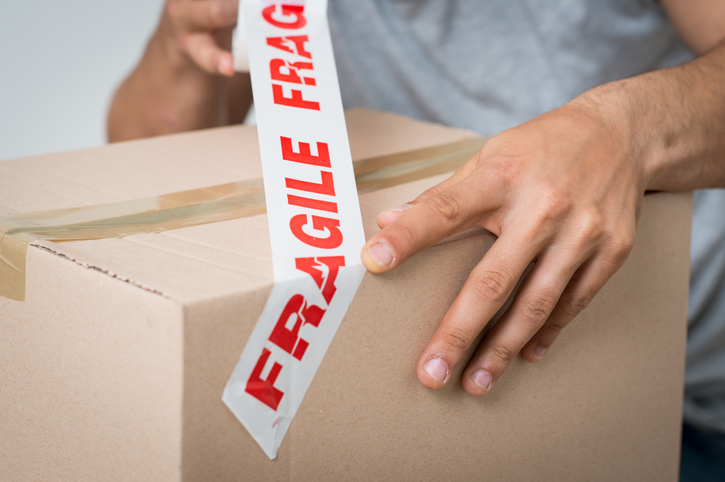
Illustration for How to Pack Fragile Items Without Breakage

Good packing starts with a realistic plan and materials matched to the load. Use this guide as a practical starting point, then adjust it to the items in front of you.

Create a cushioned base

Tape the carton securely and add a layer of bubble wrap, crumpled paper or loose fill before placing the first item.

Wrap pieces individually

Wrap each glass, plate or decorative item separately. Keep hard surfaces from touching and place heavier pieces below lighter ones.

Remove empty movement

Fill every gap without crushing the contents. Close the flaps and gently move the box; if you hear movement, add more cushioning.

Ready to choose your supplies?

Compare the complete ready-stock range or use our quick Box Finder.

Helpful answers

Frequently asked questions

Can I use large boxes for books?

It is safer to use compact boxes because books become very heavy before a large carton is full.

How do I stop items moving inside a box?

Fill gaps with paper, bubble wrap or loose fill and test gently for movement before sealing.

Should every carton be labelled?

Yes. Mark the destination room, a contents summary and unpacking priority on the top and at least one side.

Can packing materials be reused?

Clean, undamaged cartons and cushioning can often be reused when they still provide adequate protection.

Where can I compare the products mentioned?

Visit the shop for dimensions and prices, or start an order when you already know what you need.

Ready when you are

Get the boxes. Get moving.

Choose ready-stock supplies and send your order in minutes.

Start an order